What is a Day Spa? A Comprehensive Guide to Modern Wellness

What is a Day Spa? A Comprehensive Guide to Modern Wellness

The relentless pace of the 2026 music industry and the physical demands of frequent concert-going often lead to a state of chronic sensory overload and physical fatigue. Identifying a professional environment where one can reset without the commitment of an overnight stay is essential for maintaining long-term creative output and auditory health. Understanding the specific functions and services of a day spa allows individuals to transition from high-decibel environments to a structured recovery phase that supports both physical and mental longevity.

The Evolution of Wellness in the Professional Music Industry

By 2026, the intersection of professional music production and holistic wellness has become more pronounced than ever before. Artists, engineers, and dedicated fans are increasingly recognizing that the body is a primary instrument, requiring regular maintenance to prevent burnout and repetitive strain injuries. In previous years, the concept of a spa was often viewed as a luxury reserved for leisure; however, the current industry landscape treats these facilities as essential recovery hubs. A day spa serves as a specialized business entity that offers a variety of professionally administered health and beauty treatments designed to be completed within a single day. This model is particularly beneficial for those in the music sector who operate on tight schedules, between studio sessions, or during brief tour breaks. The focus has shifted from mere indulgence to a targeted approach involving physiological recovery, stress mitigation, and the restoration of sensory equilibrium. As digital platforms continue to dominate our attention, these physical spaces provide a necessary tactile counter-balance that helps maintain a professional’s edge and a fan’s enthusiasm.

Defining the Day Spa Experience in 2026

A day spa is defined as a business establishment that provides a range of services for the purpose of improving health, beauty, and relaxation through personal care treatments. Unlike destination spas or resort spas, a day spa does not offer overnight accommodations; clients visit for a few hours or a full day and then depart. In 2026, these facilities are categorized by their commitment to clinical standards and holistic integration. They typically feature a menu of services that includes massage therapy, skin care, body treatments, and often advanced hydrotherapy. The primary goal is to offer a sanctuary that facilitates a “micro-recovery” within the urban environment. For individuals immersed in the music genres and artist spotlights covered on this platform, the day spa represents a controlled environment where the macro context of wellness meets the micro context of specific physical needs, such as alleviating “tech neck” from long hours at a mixing desk or reducing the inflammation associated with standing for hours at live performances. The classification of these entities has become more sophisticated, with many 2026 facilities incorporating sound-dampening architecture and specialized acoustic environments to cater to those with high auditory sensitivity.

Essential Services and Recovery Treatment Options

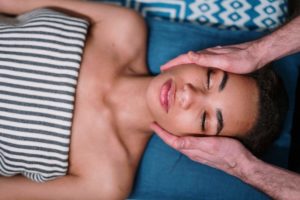
The service menu of a modern day spa is diverse, catering to a wide array of physiological and psychological requirements. Massage therapy remains the cornerstone of the experience, with modalities ranging from deep tissue work to Swedish massage and specialized lymphatic drainage. For the creative professional, these treatments are not just about relaxation but are instrumental in managing the cortisol levels that spike during high-pressure releases or live tours. Skin care treatments, including facials and chemical peels, utilize 2026-grade biocompatible ingredients to repair the skin barrier often compromised by travel and environmental stressors. Furthermore, body treatments such as wraps and scrubs help in detoxifying the system and improving circulation. Many high-end day spas have also introduced “sensory deprivation” or “flotation” tanks, which are highly effective for artists seeking to clear mental blocks or find a silent space for conceptualizing new projects. Hydrotherapy circuits, featuring alternating temperatures in steam rooms, saunas, and cold plunges, are also standard in 2026, providing a robust method for boosting the immune system and accelerating muscle recovery after strenuous physical activity on stage.

Integrating Professional Recovery into a Touring Schedule

For touring musicians and support crews, the logistical challenge of maintaining health while on the road is significant. Integrating day spa visits into a tour itinerary is a strategic move that can prevent the mid-tour fatigue that often leads to canceled dates or diminished performance quality. A day spa offers a concentrated dose of recovery that can be scheduled during “load-in” times or on travel days when a full resort stay is impossible. By 2026, many major cities have developed specialized spa networks that cater specifically to the entertainment industry, offering flexible hours and treatments designed to combat jet lag and acoustic fatigue. The recommendation for professionals is to view these visits as “preventative maintenance” rather than a reactive measure for injury. Utilizing a day spa for even two hours can significantly lower systemic inflammation and improve sleep quality, which is often the first casualty of a nomadic lifestyle. This proactive approach ensures that the entity—whether it be the artist as a brand or the individual technician—remains functional and high-performing throughout the duration of a demanding project or tour cycle.

How to Choose a Facility for Maximum Benefit

Selecting the right day spa in 2026 requires looking beyond aesthetic appeal to evaluate the expertise and technical standards of the facility. A reputable day spa should display clear certifications for its therapists and adhere to stringent hygiene protocols that exceed local regulations. When researching a facility, one should look for a “topical map” of services that aligns with their specific needs; for example, a musician suffering from tinnitus might look for a spa that offers specialized craniosacral therapy or quiet-zone protocols. It is also important to consider the environmental philosophy of the establishment. In 2026, a growing number of spas prioritize sustainable practices and organic products, which often result in a higher quality of care and fewer adverse reactions for sensitive individuals. Reading verified client logs and reviews can provide insight into the atmosphere and the efficacy of the treatments. A facility that emphasizes a quiet, tech-free environment is generally superior for those seeking to escape the constant connectivity of the digital music landscape. Ultimately, the choice should be based on the spa’s ability to provide a tailored experience that addresses the specific physical and mental demands of the client’s professional and personal life.

Conclusion: Elevating Performance Through Rest

The modern day spa is an indispensable tool for anyone navigating the complexities of the 2026 music and creative industries. By prioritizing structured recovery and professional wellness treatments, individuals can sustain their creative energy and physical health over long-term careers. Explore local day spa options today to establish a recovery routine that supports your professional goals and personal well-being.

How long does a typical day spa visit last?

A typical day spa visit can last anywhere from 60 minutes to an entire day, depending on the number of services selected. Most clients opt for a two-to-three-hour window, which allows for a single primary treatment like a massage or facial, followed by a brief period of relaxation in a steam room or lounge. In 2026, many facilities offer “express” circuits for busy professionals that provide concentrated benefits in under 90 minutes.

What is the difference between a day spa and a medical spa?

A day spa focuses primarily on relaxation, cosmetic improvements, and non-invasive wellness treatments administered by licensed estheticians or massage therapists. In contrast, a medical spa is overseen by a medical doctor and offers more intensive procedures such as laser treatments, injectables, and clinical-grade chemical peels. While day spas prioritize holistic well-being and stress reduction, medical spas are geared toward specific dermatological or corrective outcomes using medical-grade technology and protocols.

Can I visit a day spa if I have sensitive hearing or sensory issues?

Yes, many day spas in 2026 specifically cater to individuals with sensory sensitivities by offering “silent services” and acoustic-controlled environments. When booking, you can request a treatment room with minimal ambient noise and no background music. Professional therapists are trained to accommodate these needs, ensuring the environment remains a low-stimulation zone that aids in neurological recovery and reduces the stress associated with auditory or visual overstimulation.

Why should touring artists prioritize day spa visits?

Touring artists should prioritize day spa visits because the physical and mental toll of constant travel and performance can lead to rapid burnout and immune system suppression. A day spa provides a controlled environment for muscle recovery, lymphatic drainage, and mental decompression that is often unavailable in hotels or venues. Regular visits help maintain the physiological stamina required for high-energy performances and help regulate sleep patterns disrupted by changing time zones and late-night schedules.

Which treatments are best for recovering after a multi-day music festival?

The best treatments for post-festival recovery include hydrotherapy circuits to reduce systemic inflammation and deep-tissue massage to address muscle soreness from walking and standing. Rehydrating facials are also recommended to repair skin damaged by sun exposure and environmental dust. Furthermore, many 2026 spas offer specialized foot reflexology and detoxifying body wraps that help eliminate metabolic waste and restore energy levels after several days of high-intensity activity and sleep deprivation.

===SCHEMA_JSON_START===
{
“meta_title”: “What is a Day Spa? 2026 Guide to Wellness and Recovery”,
“meta_description”: “Discover what a day spa is and how professional recovery services benefit artists and music fans in 2026. Learn about essential treatments and benefits.”,
“focus_keyword”: “what is a day spa”,
“article_schema”: {
“@context”: “https://schema.org”,
“@type”: “Article”,
“headline”: “What is a Day Spa? 2026 Guide to Wellness and Recovery”,
“description”: “Discover what a day spa is and how professional recovery services benefit artists and music fans in 2026. Learn about essential treatments and benefits.”,
“datePublished”: “2026-01-01”,
“author”: { “@type”: “Organization”, “name”: “Site editorial team” }
},
“faq_schema”: {
“@context”: “https://schema.org”,
“@type”: “FAQPage”,
“mainEntity”: [
{
“@type”: “Question”,
“name”: “How long does a typical day spa visit last?”,
“acceptedAnswer”: {
“@type”: “Answer”,
“text”: “A typical day spa visit can last anywhere from 60 minutes to an entire day, depending on the number of services selected. Most clients opt for a two-to-three-hour window, which allows for a single primary treatment like a massage or facial, followed by a brief period of relaxation in a steam room or lounge. In 2026, many facilities offer express circuits for busy professionals that provide concentrated benefits in under 90 minutes.”
}
},
{
“@type”: “Question”,
“name”: “What is the difference between a day spa and a medical spa?”,
“acceptedAnswer”: {
“@type”: “Answer”,
“text”: “A day spa focuses primarily on relaxation, cosmetic improvements, and non-invasive wellness treatments administered by licensed estheticians or massage therapists. In contrast, a medical spa is overseen by a medical doctor and offers more intensive procedures such as laser treatments, injectables, and clinical-grade chemical peels. While day spas prioritize holistic well-being and stress reduction, medical spas are geared toward specific dermatological or corrective outcomes using medical-grade technology and protocols.”
}
},
{
“@type”: “Question”,
“name”: “Can I visit a day spa if I have sensitive hearing or sensory issues?”,
“acceptedAnswer”: {
“@type”: “Answer”,
“text”: “Yes, many day spas in 2026 specifically cater to individuals with sensory sensitivities by offering silent services and acoustic-controlled environments. When booking, you can request a treatment room with minimal ambient noise and no background music. Professional therapists are trained to accommodate these needs, ensuring the environment remains a low-stimulation zone that aids in neurological recovery and reduces the stress associated with auditory or visual overstimulation.”
}
},
{
“@type”: “Question”,
“name”: “Why should touring artists prioritize day spa visits?”,
“acceptedAnswer”: {
“@type”: “Answer”,
“text”: “Touring artists should prioritize day spa visits because the physical and mental toll of constant travel and performance can lead to rapid burnout and immune system suppression. A day spa provides a controlled environment for muscle recovery, lymphatic drainage, and mental decompression that is often unavailable in hotels or venues. Regular visits help maintain the physiological stamina required for high-energy performances and help regulate sleep patterns disrupted by changing time zones and late-night schedules.”
}
},
{
“@type”: “Question”,
“name”: “Which treatments are best for recovering after a multi-day music festival?”,
“acceptedAnswer”: {
“@type”: “Answer”,
“text”: “The best treatments for post-festival recovery include hydrotherapy circuits to reduce systemic inflammation and deep-tissue massage to address muscle soreness from walking and standing. Rehydrating facials are also recommended to repair skin damaged by sun exposure and environmental dust. Furthermore, many 2026 spas offer specialized foot reflexology and detoxifying body wraps that help eliminate metabolic waste and restore energy levels after several days of high-intensity activity and sleep deprivation.”
}
}
]
}
}
===SCHEMA_JSON_END===

Contact us